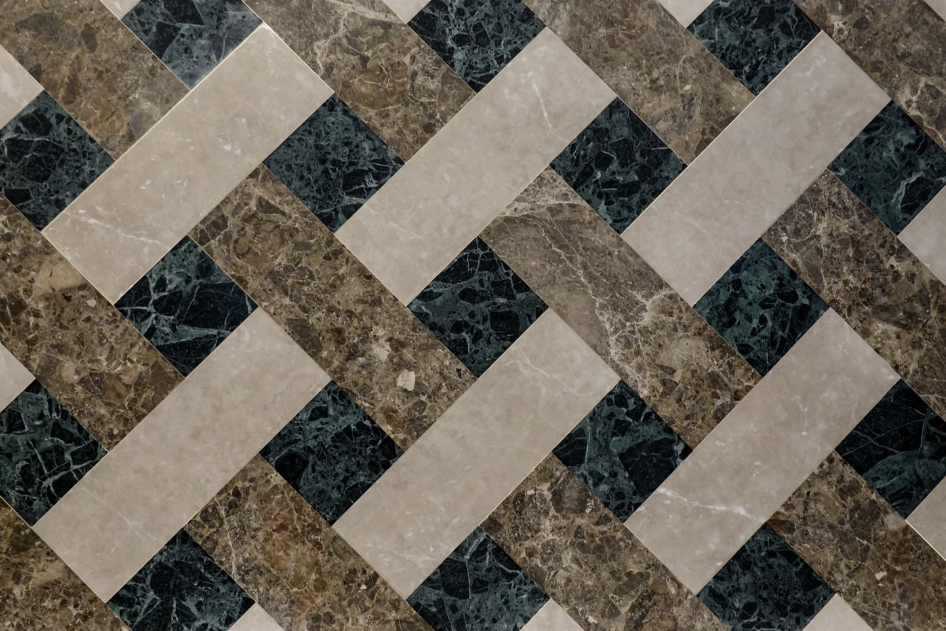
Understanding Tile Grinding and Polishing
Tile grinding and polishing are two distinct but complementary techniques used to restore the appearance and performance of hard‑surface floors. While the terms are sometimes used interchangeably, each step serves a specific purpose.
What is Tile Grinding?
Grinding removes a thin layer of the tile surface using abrasive pads or diamond‑coated discs. The primary goals are to level uneven spots, eliminate scratches, and prepare the substrate for polishing. In commercial settings, grinding also helps to remove old sealants, adhesives, or grout residues that can interfere with a uniform finish.
What is Tile Polishing?
Polishing follows grinding and uses progressively finer abrasives to create a smooth, glossy surface. The process densifies the tile’s surface, enhances its natural shine, and can increase slip resistance when a suitable finish is applied. Polishing does not add material; it simply refines the existing surface.
Why Commercial Spaces Need Professional Tile Restoration
Commercial environments such as hotels, malls, offices, and hospitals experience foot traffic far beyond residential use. Over time, this traffic leads to wear that can compromise both aesthetics and safety.
High Traffic Wear
Continuous footfall, carts, and equipment cause micro‑scratches, dullness, and sometimes delamination. Left untreated, these defects become more pronounced, making the floor look aged and increasing the risk of slips.
Aesthetic and Safety Benefits
A freshly polished floor reflects light, making large spaces feel brighter and more inviting. Moreover, a well‑maintained surface provides consistent traction, reducing accident liability. For businesses, a pristine floor contributes to brand perception and can even influence customer dwell time.
The Typical Process in Riyadh
Professional contractors follow a structured workflow to ensure consistent results while respecting the building’s schedule and safety regulations.
Site Assessment and Planning
Before any equipment arrives, the team conducts a visual inspection and, when needed, a moisture test. They identify tile type (ceramic, porcelain, stone), existing sealants, and any cracks that may require repair. A written scope of work, including estimated timeframes, is shared with the client.
Grinding Phase
1. Dust Containment: Portable dust extractors with HEPA filters are positioned to protect occupants and HVAC systems.
2. Coarse Abrasive Pass: A diamond‑grit pad (typically 30‑40 µm) removes the topmost layer and levels the surface.
3. Intermediate Passes: Finer pads (20 µm, then 12 µm) smooth out any remaining scratches left by the coarse grit.
4. Surface Cleaning: The floor is vacuumed and wiped with a neutral pH cleaner to eliminate debris before polishing.
Polishing Phase
1. Fine Polishing Pads: Pads ranging from 6 µm down to 1 µm are used in a progressive sequence.
2. Polish Application: A high‑performance polishing compound is applied, often with a rotary machine, to achieve the desired gloss level.
3. Buffing: A soft buffing pad brings out the final shine and removes any residual compound.
Final Sealing and Inspection
Depending on the tile’s porosity, a penetrating sealer may be applied to protect the surface from stains and moisture. The contractor then performs a walk‑through with the client, checking for uniform gloss, edge consistency, and any missed spots.
Warning Signs That Your Tiles Need Attention
- Visible dullness or loss of shine despite regular cleaning.
- Surface scratches that are deeper than a fingertip.
- Uneven patches where tiles appear lighter or darker.
- Increased slipperiness, especially after cleaning.
- Cracks or chips that expose the tile’s interior.
- Water or oil stains that no longer absorb.
When any of these indicators appear, scheduling a professional grinding and polishing service can prevent further degradation and extend the floor’s lifespan.
Care and Maintenance After Polishing
Proper maintenance preserves the gloss and prevents premature wear. The following routine is suitable for most commercial tile floors.
Daily Cleaning Routine
- Dust Mop or Vacuum: Use a soft‑bristle dust mop or a low‑suction vacuum with a floor‑appropriate attachment to remove loose particles.
- Damp Mop: Apply a pH‑neutral cleaner diluted according to the manufacturer’s instructions. Avoid excessive water; a well‑wrung mop is sufficient.
- Spot Treatment: For spills, blot immediately with a clean cloth. For oily residues, a small amount of diluted degreaser can be used, followed by a rinse with clean water.
Periodic Deep Cleaning
Every 3‑6 months, schedule a deep‑cleaning session that includes a gentle abrasive pad (e.g., 3 µm) to refresh the gloss without damaging the surface. This step also helps to remove embedded grime that regular mopping may miss.
Avoiding Common Mistakes
- Do not use acidic cleaners (vinegar, lemon juice) as they can etch the sealant.
- Avoid abrasive scrubbers or steel wool, which can create micro‑scratches.
- Never let standing water sit for more than a few minutes; excess moisture can seep into grout lines.
- Place protective pads under heavy furniture or equipment to distribute weight evenly.
Choosing the Right Service Provider
Selecting a reputable contractor is crucial for achieving a durable, high‑quality finish. Below are the key criteria to evaluate.
Experience and Portfolio
Look for companies that have completed multiple commercial projects, especially in high‑traffic environments. Request before‑and‑after photos of similar tile types to gauge their capability.
Equipment and Materials
Modern diamond‑grit machines, variable‑speed polishers, and HEPA‑rated dust extractors are essential for efficiency and safety. Ask whether the contractor uses water‑based or solvent‑based polishing compounds, and verify that the products are compatible with your tile material.
Safety and Environmental Practices
Commercial sites often have strict occupational health requirements. Ensure the provider follows Saudi Arabian safety standards, uses low‑VOC (volatile organic compound) products, and disposes of waste responsibly.
Transparent Communication
A clear written proposal should outline the scope, timeline, and any post‑service recommendations. The contractor should be willing to answer questions about warranty on workmanship (not a price guarantee) and provide a point of contact for any follow‑up issues.
Frequently Asked Questions
1. How long does a typical grinding and polishing job take?
The duration depends on floor area, tile condition, and access constraints. For a standard 1,000 m² commercial hall, the process usually spans 3‑5 days, including preparation, grinding, polishing, and final inspection.
2. Will the process create a lot of dust?
Professional teams use dust extraction systems with HEPA filters to contain particles. While some dust is inevitable, it is minimized and does not affect indoor air quality when proper equipment is used.
3. Can all types of tiles be ground and polished?
Most ceramic, porcelain, and natural stone tiles can be restored, but very thin or heavily glazed tiles may not tolerate aggressive grinding. A pre‑assessment determines suitability.
4. Is a sealant always required after polishing?
Sealants are recommended for porous tiles (e.g., natural stone) to protect against stains. Non‑porous glazed tiles often retain their finish without a sealant, but a light protective coating can still enhance durability.
5. How often should commercial tile floors be re‑polished?
High‑traffic areas may need a refresh every 2‑3 years, while lower‑traffic zones can go 4‑5 years between services. Regular maintenance can extend the interval.
6. Will grinding affect the grout lines?
Grinding is limited to the tile surface; grout is protected by careful edge control. However, if grout is cracked or missing, the contractor may suggest repair before starting.
7. Are there any health concerns for occupants during the work?
When dust extraction and proper ventilation are employed, health risks are minimal. Contractors typically schedule work during off‑peak hours to limit disruption.
8. What guarantees can I expect on the workmanship?
Reputable firms provide a written workmanship warranty that covers issues like uneven gloss or missed spots for a defined period (often 6‑12 months). This does not cover damage caused by improper maintenance after the service.
By understanding the process, recognizing early signs of wear, and partnering with an experienced contractor, commercial property owners in Riyadh can keep tile floors looking professional, safe, and welcoming for years to come.